


Varicose veins, commonly called varicose veins, occur when veins become stretched and enlarged, turning bluish-purple or red due to the accumulation of large amounts of blood.It is a widespread condition that most often occurs in the legs (most commonly in the calf muscles), but can also occur in other parts of the body.
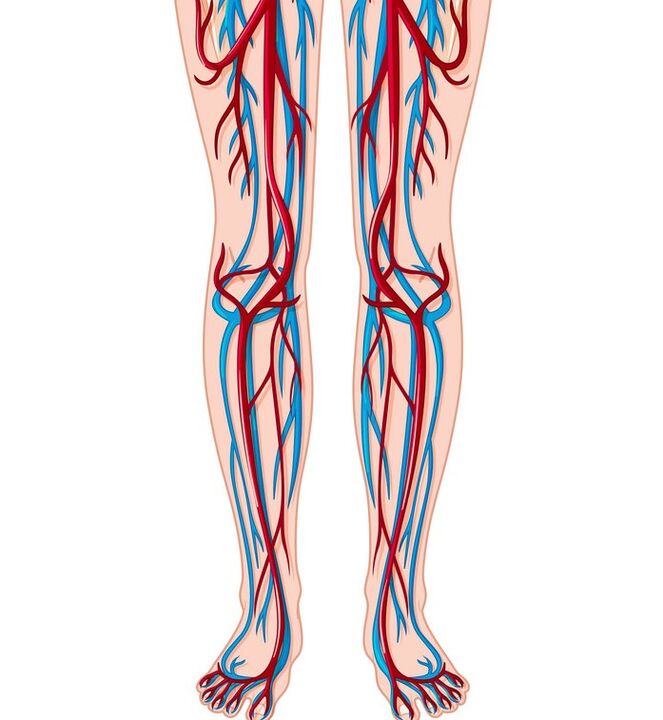
Generally speaking, you know from biology courses that blood supply to cells happens like this: Oxygenated blood flows from the left ventricle of the heart through the aorta into the arteries, and from there into smaller blood vessels up to capillaries, through which the organs and tissues of the body receive oxygen and the substances they need.Thereafter, with the help of small blood vessels called "venules", blood is collected from the capillaries and passed into larger veins, whose task is to return the blood to the lungs and heart so that it can be enriched with oxygen and repeat its path.The mechanism that directs blood to the heart is called a venous pump.
Veins are blood vessels that return blood from body tissues to the heart.
Some veins have one-way valves inside them that allow blood to flow toward the heart when open and prevent blood from flowing in the opposite direction when closed.
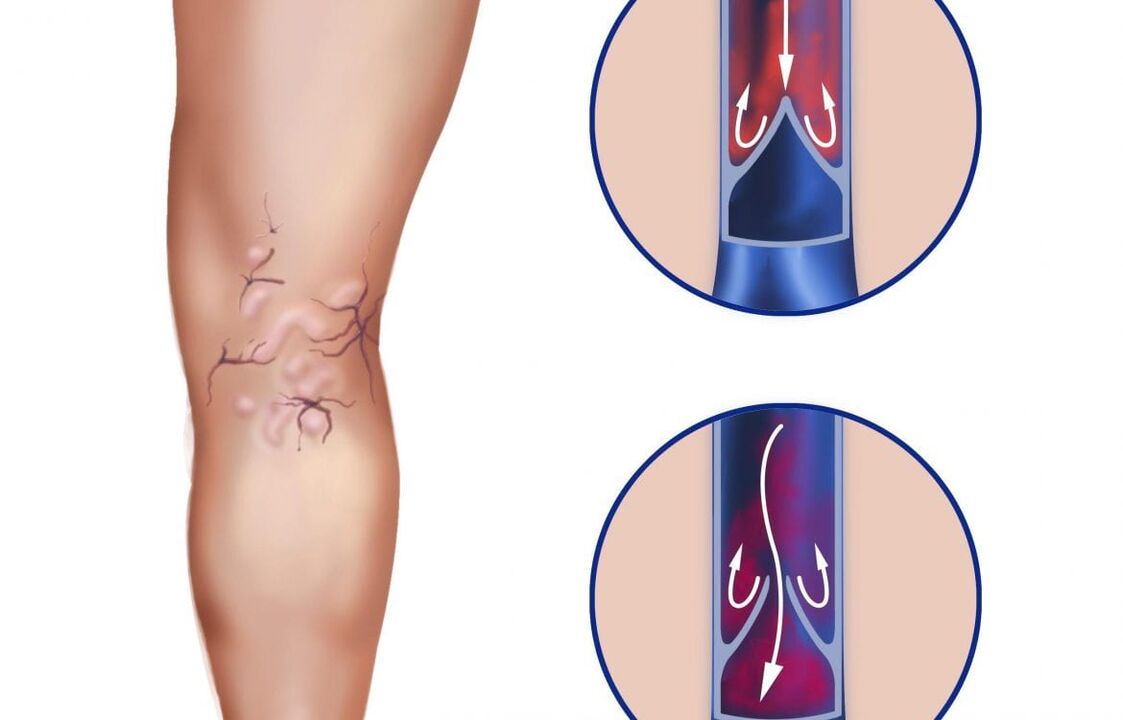
Actually, varicose veins happen like this: If the valves are damaged and don't stop the flow of blood, blood can accumulate in the veins, causing the veins to swell and stretch, resulting in varicose veins.Vascular surgeons claim that varicose veins are a pathological process that leads to changes in the walls of veins, subsequently leading to valvular insufficiency.
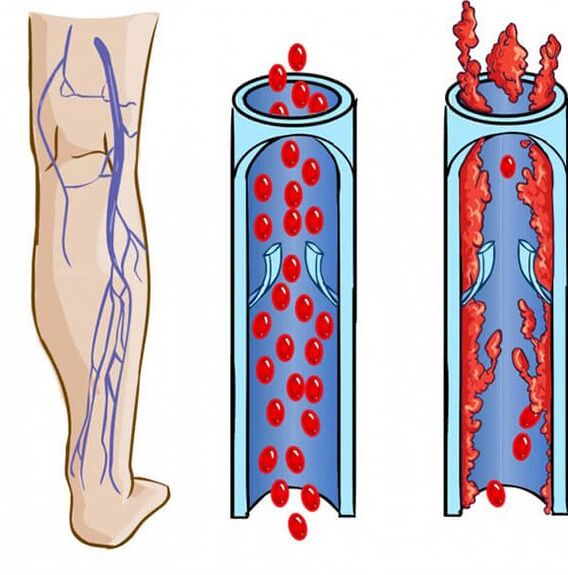
In varicose veins, a reverse flow of blood (reflux) occurs due to valve dysfunction.They do not close off the venous lumen, which allows blood to flow in the opposite direction.As a result, venous blood pressure increases, destroying the integrity of the vein walls - they expand and bulge under the skin.
Since varicose veins are deformations of veins, their pathology is considered not only a vascular disease, but also a cosmetic problem.Normal Veins and Varicose Veins - Due to valve failure, reversal of blood flow and dilation of the veins occur.
Why are varicose veins most likely to appear in the legs?
We have 3 types of veins in our legs: superficial veins, which are closest to the skin; deep veins, which are inside the muscles and connect to the largest vein in our body, the vena cava, which leads to the heart; and perforating veins, which connect the superficial and deep veins to each other.The varicose veins we see are exactly what we observe in the superficial veins closest to the skin.
When we are in an upright position, blood in the legs should be directed upward toward the heart, against gravity.To do this, the leg muscles contract and compress the deep veins, pushing blood toward the heart.When the leg muscles contract, the valves in the veins open, but when the muscles relax, the valves close, preventing blood from flowing to the feet.
As you may have guessed, varicose veins are more common in the legs because the increase in gravity while sitting and standing has the greatest impact on venous circulation in the lower extremities.
How dangerous are varicose veins?
For most people, varicose veins are primarily a cosmetic problem, and initially they do not pose a health threat.Swollen, unsightly veins can ruin the appearance of certain areas of the body, but in most cases, they don't impair circulation.It's worth noting that if you don't pay proper attention to fighting varicose veins, their appearance will worsen over time and complications may arise.
causes of varicose veins
Many factors increase the risk of varicose veins:
- The first factor - genetics.If anyone in your family has or has had varicose veins, your chance of inheriting varicose veins increases.
- ground.Varicose veins are more common in women than men.
- age.As we age, our veins and valves become increasingly fragile.
- Interruption of blood flow between arteries and veins.
- hormonal changes.Hormonal changes during pregnancy, premenstruation, and menopause can increase the risk of varicose veins.During pregnancy, the growing fetus puts pressure on the leg veins.Varicose veins that develop during this period become less noticeable 3-12 months after the child is born.Additionally, each subsequent pregnancy increases the risk of varicose veins.
- overweight or obese.Being overweight puts a lot of pressure on your veins, which can lead to varicose veins.
- Sedentary and standing work and a sedentary lifestyle.If you stand or sit for long periods of time, you increase your risk of developing varicose veins.This happens because the veins have a harder time carrying blood to the heart during prolonged periods of inactivity.
Symptoms of varicose vein development
In addition to the appearance of dark blue or purple bulging veins, the following are the main signs that varicose veins are developing:
- Mild swelling of the ankles and feet, especially after standing for long periods of time.
- Pain, burning, and heaviness in the legs.
- Cramping and throbbing sensation in the legs.
- Itchy ankles and calves are often misdiagnosed as dry skin.
- Changes in skin color (bruising) at the site of varicose veins.
How to prevent varicose veins
Experts from the Department of Surgery at the University of California said that to prevent varicose veins, you must first change your lifestyle and develop new habits.Although these same changes will not help eliminate varicose veins that have already formed, they will reduce the likelihood of their appearance worsening, as well as reduce pain and protect other areas of the vein from varicose veins forming.
To reduce the likelihood of varicose veins or to protect already affected veins from worsening, what needs to be done:
- Don't sit in one place for long periods of time or stand in one place for long periods of time.Try to be active at least every 30 minutes.
- Don't cross one leg over the other while sitting.
- If possible, elevate your legs while resting while sitting or lying down.Try to lift your legs above heart level.
- exercise.This will allow your leg muscles to move more efficiently and allow blood to flow through your veins more efficiently.
- If you are overweight, try to get it back to normal.This will help improve circulation and reduce pressure on your veins.
- Avoid tight clothing, especially around the waist, hips and legs.
- Don't wear high heels often or for long periods of time.Low heels help keep your calf muscles toned and allow blood to flow more easily through your veins.
- Exercise regularly.This will help improve blood circulation, eliminate excess pounds and maintain a healthy weight.
Complications of varicose veins
According to the Circulation Foundation, while varicose veins can get worse over time, the process takes a long time.It's also worth noting that for some people with varicose veins, venous hypertension can cause skin damage, color changes, and white scarring in the ankle area.
If left untreated, progressive varicose veins can lead to more serious negative consequences:
- the appearance of ulcers
- Phlebitis
- Bleeding
- Deep vein thrombosis (DVT)
If a person develops eczema (red rash), it may later develop into ulcers that need to be removed surgically.
Phlebitis is an inflammation of the veins that is often accompanied by the formation of a hard but fragile clot in the affected vein.In most cases, the disease does not pose serious health risks, although it is often mistakenly confused with a more serious pathology - deep vein thrombosis (DVT).
Many people worry that accidentally touching a varicose vein will cause bleeding, but this rarely happens.If this happens, apply a tight gauze bandage and apply ice to stop the bleeding.The patient needs to lie down with their legs above their heart and seek immediate medical help so that a specialist can perform surgery that reduces the risk of re-bleeding.
Some patients with varicose veins later face another condition - deep vein thrombosis.Science has not yet fully determined whether varicose veins directly increase the risk of DVT.Symptoms of DVT include swelling, pain, and skin that feels warm to the touch.Experts at the U.S. National Library of Medicine say deep vein thrombosis mainly affects the large veins in the thigh and calf muscles, and it almost always occurs in just one leg.
Treatment of varicose veins
Compression therapy
When the first symptoms of varicose veins appear, it is recommended to wear a compression garment.Stockings, tights, or leggings apply gentle pressure from the bottom of the leg upwards, reducing blood pooling and swelling.However, results are only achieved with regular wear.While wearing compression stockings will not cure varicose veins that have already developed, they can help prevent or reduce vein enlargement and further complications.
Additionally, the Society for Vascular Surgery (SVS) states in its clinical guidelines for the treatment of patients with varicose veins of the lower extremities and pelvis: “Wearing stockings is the first treatment option for patients who have had ulcers removed because of progressive varicose veins.”
Endovenous ablation (radiofrequency or laser)
Endovenous ablation involves the use of laser or radiofrequency therapy to close or remove varicose veins.The doctor makes a small incision in the skin near the vein and inserts a catheter into it.Thereafter, a special device is attached to the tip of the catheter, which is used to heat the catheter and close or remove the varicose veins (depending on the chosen ablation method).The surgery is performed using local anesthesia, and patients usually go home the same day.
Endovenous ablation is one of the most effective and safest ways to treat varicose veins.The Society of Vascular Surgery (SVS) recommends this procedure over surgery to treat superficial varicose veins.
Sclerotherapy
This is another gentle way to treat varicose veins.During the procedure, a special substance is injected into the veins affected by varicose veins, which damages the lining of the veins and causes blood to clot inside them.Over time, the veins collapse and disappear.
surgical method
In advanced cases of varicose veins, more gentle treatments will not help correct the condition.In this case, the patient is referred for surgery, during which the superficial vein is surgically removed.Indications for surgery are:
- ulcers or the threat of their appearance,
- Bleeding
- Phlebitis.
The surgery is performed under general anesthesia and the patient is usually sent home the same day.Patients may experience pain and discomfort for 2 weeks after surgery.
The Circulation Foundation notes that deep vein thrombosis sometimes develops after surgery, but the risk of this pathology can be reduced by wearing compression stockings and keeping a person's physical activity high.
Varicose veins and training
More movement and moderate exercise are major helpers in the fight against varicose veins.
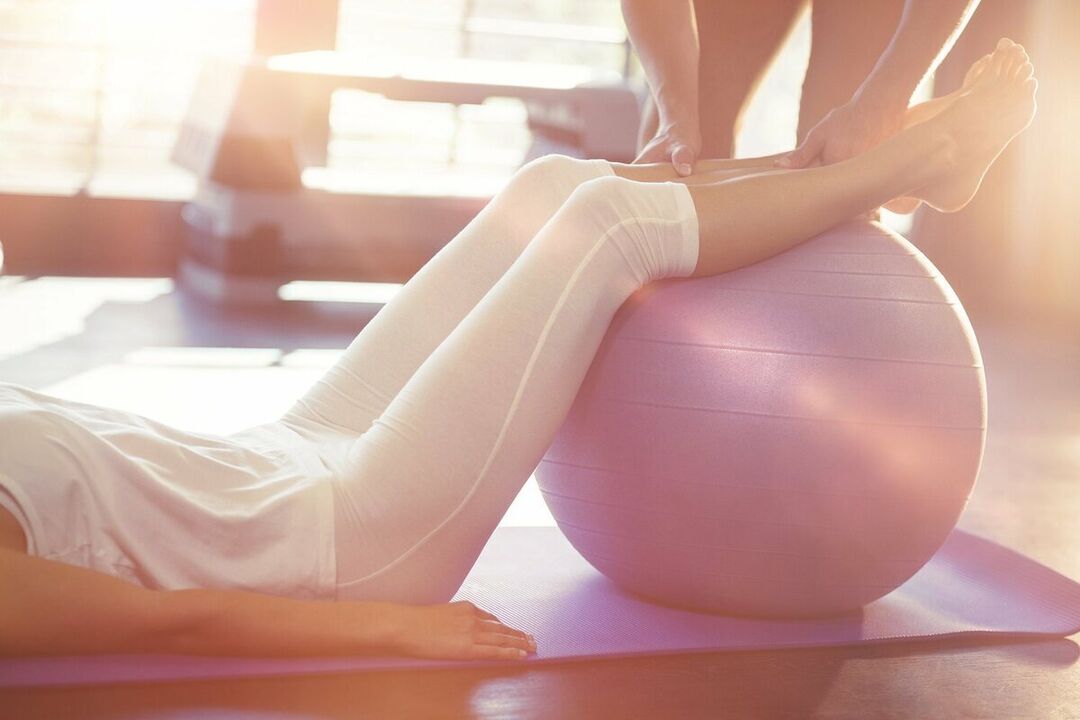
However, while some training methods are beneficial and recommended for preventing varicose veins, others can be harmful.
Moderate, rhythmic physical activity, such as walking, has a positive effect in preventing the development of varicose veins and helps minimize the likelihood of complications because dynamic muscle movements help direct blood from the periphery to the heart.
walk
Walking is one of the best exercises to prevent varicose veins and promotes healthy circulation by stretching and contracting the venous pumps in the calf muscles.Walk for at least 30 minutes at least 5 times a week.
low intensity running
Running at low speeds is a great exercise for your calf muscles, but it has a drawback – running puts stress on our joints.If you're not ready to replace running with another activity, run on grass or rubber paths rather than hard asphalt.
Elliptical machines and exercise bikes
Exercising on the elliptical and stationary bike actively engages your calf muscles and promotes healthy circulation.Plus, unlike running, these exercises put less stress on your joints.
strength training
People with varicose veins should avoid overly strenuous weight training.During irregular periods of prolonged muscle tension, the leg muscles and ventilator pump do not help return blood through the veins to the heart.For this reason, during training, blood accumulates in the leg veins, which can only encourage the further development of varicose veins.In addition, increased intra-abdominal pressure during exertion can also impede blood circulation.
Among exercises that negatively impact venous circulation, experts at the Georgia Vein Clinic particularly note squats, lunges, and sit-ups.
People with varicose veins need to train with light weights and perform relatively high reps per set without reaching failure.Also, to restore normal blood circulation after completing strength training, it is recommended to ride an exercise bike or exercise on an elliptical machine.It is also recommended to wear compression stockings during and after strength training.
Why are blood vessels more likely to bulge in summer?
As the experts at the eponymous vein center point out.St. John's and Hospital.St. Joseph Wayne noted that veins bulge more in the summer because, under the influence of high temperatures, they dilate and fill with more blood, thereby increasing in size.
To reduce swollen veins in the summer, you need to follow simple recommendations:
- Lubricate your skin with a thick layer of hydrating SPF cream.
- If you are outdoors for a long time, try to stay in the shade.
- Don't sunbathe for too long.
- Swim regularly.This way you will be performing a cooling procedure on your body without giving the veins a chance to enlarge.
- Try to wear flats/low tops and sandals instead of heels.
- Drink plenty of fluids.
You shouldn't make the situation worse; you need to take action immediately.